


Erica Lutes ’02 Named Chief at Fulbright Belgium
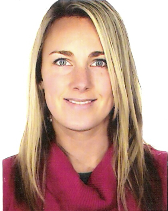 Erica Lutes ’02 has been named executive director of the Fulbright Commission at the US Embassy in Belgium. Fulbright Belgium, also known as the Commission for Educational Exchange, administers several Fulbright Scholarship Programs for citizens of Belgium and Luxembourg.
QUARTERLY: Can you give me an overview of your role as executive director? What is the scope of the Fulbright program in Belgium?
ERICA: My new role is to serve as the chief responsible for directing the overall operations of the Fulbright Commission in Belgium. We run not only the Fulbright program for Belgium but also a special program that the US State Department runs with the European Commission (the Fulbright-Schuman). This role is also responsible for the EducationUSA work that is done (another State Department program). In detail, this means managing the staff, the budget, the financial reports for the governments, and so on.
QUARTERLY: When do you begin the new job?
ERICA: Officially on July 1st, which means I will spend the next six months transitioning out of my role [as Fulbright Belgium’s educational adviser and program manager] and training with the current executive director.
QUARTERLY: Are there any other MHC women in your office?
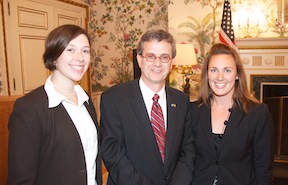
ERICA: We have had two great interns in our office since I joined Fulbright: Claire Novak ’12 and Hilary Bombard ’12. (Claire Novak is at left in the photo below, with Erica Lutes and US Ambassador to Belgium Howard Gutman). I am looking forward to supporting more Mount Holyoke Interns to our office in future years.
Journalist David Willows interviewed Erica Lutes ’02 for a forthcoming NATO newsletter, from which these comments were excerpted with permission.
DAVID: What’s behind your own involvement with Fulbright?
ERICA: I used to work on Wall Street before coming to Belgium to pursue graduate work at the University of Leuven. While here I was offered the opportunity to work as the staff aide to the US ambassador, and that job led to my position here at Fulbright. My experience here at Fulbright has led me to become a passionate advocate for providing accurate and unbiased information on US higher education to Belgians, and students of all nationalities. Belgium is a country of expats, and I work with people of all nationalities, who, despite their varied backgrounds, often tell me that it has always been their dream to travel to America.
I feel like my work, by helping them achieve their dream, allows me to make a major impact on the lives of these young people. I remember that in my first year with Fulbright, one of the students I worked with was accepted into Harvard. Another student, a French citizen whose parents worked at NATO, was accepted into Juilliard and Columbia. It’s experiences like that which remind me that my work is making a real difference in the lives of people from around the world.
DAVID: Many of us may have heard of Fulbright, but can you say something about what it actually does and how, in practice, it supports students wanting to study in the US?
ERICA: One major effort by Fulbright is our annual Brussels College Night. At this event, we provide Belgian students with the opportunity to meet face-to-face with American college admissions advisors. Last year over 500 interested students and parents were able to meet with the representatives of over 75 universities with campuses in both the United States and Europe. The event also includes a panel discussion where students and their parents can ask a group of experts for information on the US application process. Students last year felt that Brussels College Night prepared them for what to expect in applying to an American university, and for what to expect from an education in the United States.
Comments on winter 2012 Quarterly Viewpoints
Share your views here about the letters published in the winter Quarterly.
Following a Meandering Career Path
Career Advice
Illustration by Cara Petrus
Dreaming of making a career change, but feeling risk-averse? Here are words of wisdom from fellow alumnae who’ve taken the plunge—and are glad they did.
Look at your experiences as a whole—a much more holistic view—rather than just a list on a resume. Keep looking for places that will benefit from your meandering career.—Gretchen Schmelzer ’87
Remove yourself from your comfort zone for a short time. If you’ve only got three weeks of vacation a year, take it and go somewhere. You don’t have to go on one of those volunteer vacations, but don’t go on a safari either. Go someplace and dig into a country a little bit.—Ellen “Ellie” Skeele ’75
Try different things. Keep an open mind. Work some connections; network through alumnae/alumni associations and Facebook. Do internships in different fields, if you can afford it. Don’t be afraid to change your mind. It’s never too late.—Ellen Malmon ’88
You never know how your previous experiences will come into play later. Nothing’s a waste of time if you’ve learned from it.—Olivia Velez-Benenson ’98
Part of being a writer—or being whatever you want to be—is saying, “I am one.” Just say it. Say it to yourself and say it to everyone and start thinking of yourself as that. Just say, “This is what I do. This is what I am.”—Mary Reed Kelly ’75
The first time you step off the defined track, it’s the hardest and the scariest. But once you do it once and see that the world does not implode, then it’s easier to do it the next time.—Barbara Maclay Cameron ’90
When I came to Mount Holyoke a fellow [Frances Perkins scholar] said to us as a group, “Dream big, because no matter how big you dream, Mount Holyoke has even bigger dreams for you.” That empowered me to believe that I could make changes, and regardless of the cost, I could see them through.—Amy Gracey FP ’07
Recommended Reading
• If You’ve Raised Kids, You Can Manage Anything: Leadership Begins at Home by Ann Crittenden (Gotham, 2004) Recommended by economist Nancy Folbre as the best accessible source on this topic
• Composing a Life by Mary Catherine Bateson (Atlantic Monthly Press, 1989; Grove Press, 2001) Recommended by Gretchen Schlemzer ’87 as a book-length testament to the fact that women tend not to have linear career paths
More About Alumnae Quoted in “Unexpected Destinations”
• Ellie” Skeele ’75—Himalayan Wild Fibers is her most recent enterprise; it aims to bring nettle fiber to the international textile market and income to her impoverished neighbors in Nepal.
• Mount Holyoke College’s Career Development Center
Ellen Malmon
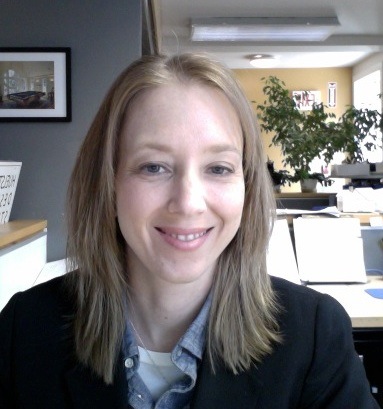
• Ellen Malmon ’88 founded Ellen Malmon Architecture, LLC, a full-service design and architecture firm specializing in residential and commercial design.
• Gretchen Schmelzer ’87 is a senior consultant at Teleos Leadership Institute in Elkins Park, PA.
• Olivia Velez-Benenson ’98 is a postdoctoral research fellow at Columbia University in the field of biomedical informatics.
Mary Reed Kelly
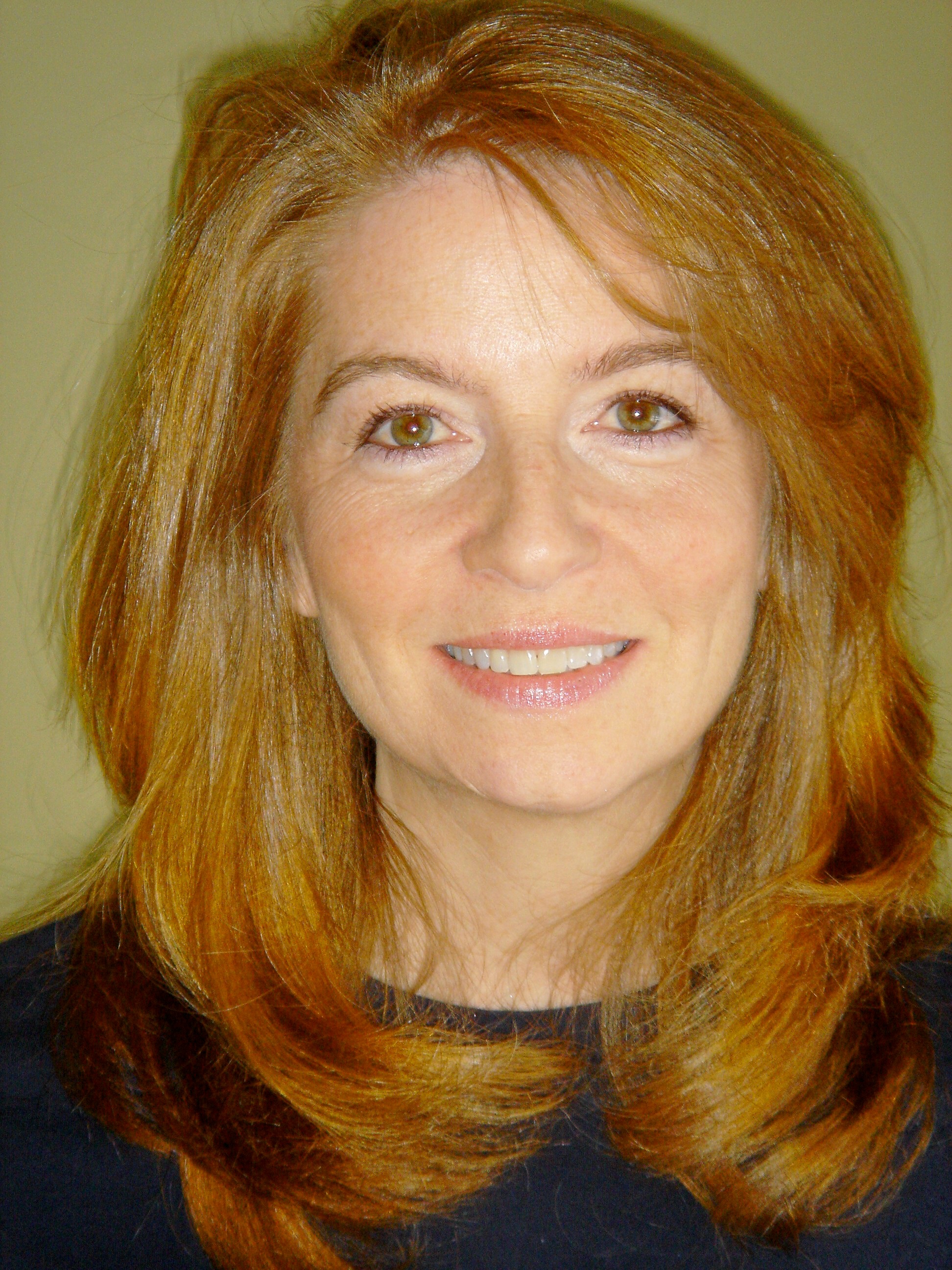
• Mary Reed Kelly ’75 took a worldwide sales-training assignment this past summer with Global Bridgebuilders.
Nancy Folbre
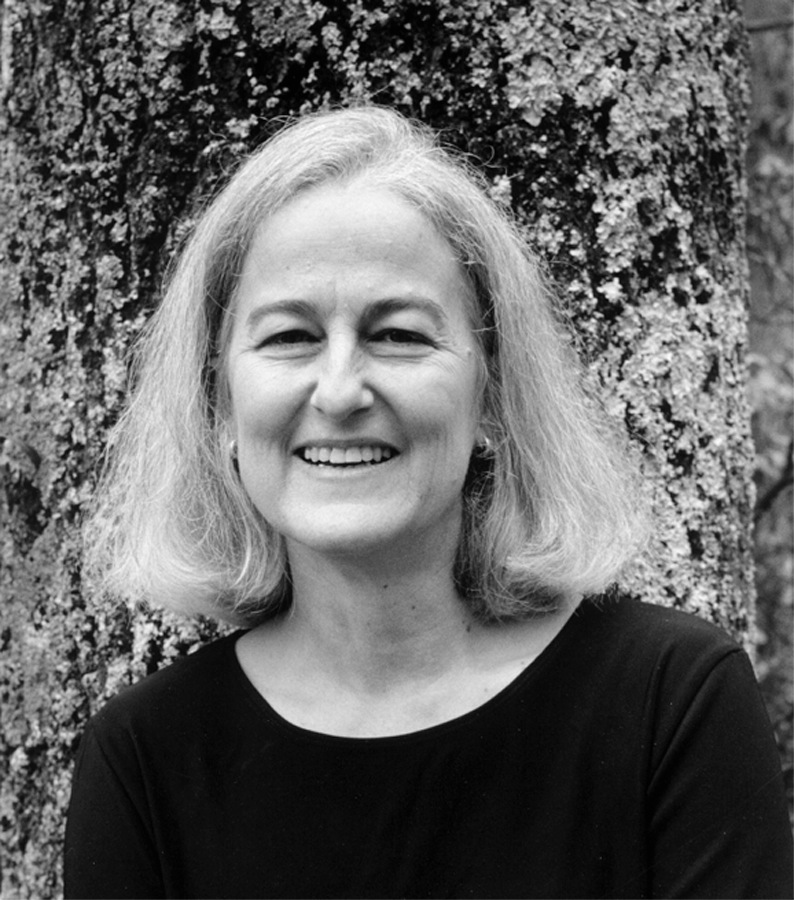
• Economist Nancy Folbre’s “Economix” blog for the New York Times “explores the science of everyday life.” She is an economics professor at UMass-Amherst. Here is her UMass Web page.
Barbara Maclay Cameron
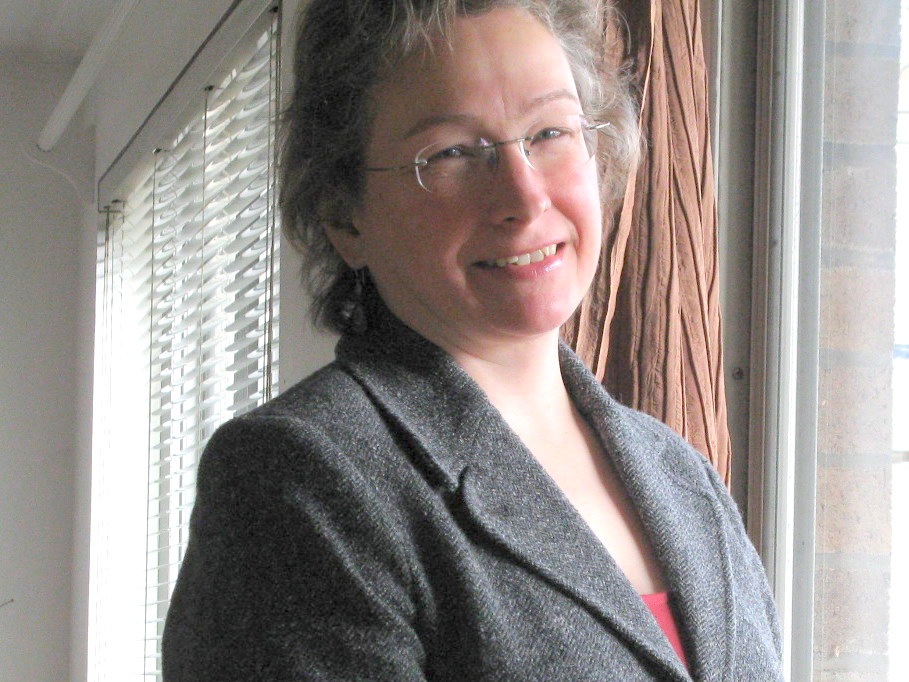
• Barbara Maclay Cameron ’90 directs the Carolina Global Breastfeeding Institute.
Amy Gracey
• Amy Gracey FP ’07 is part of Loyola University Maryland’s graduate program in pastoral counseling.
My Path to Complementary and Alternative Medicine
By Marie-Sabine Thomas ND, LMP ’97
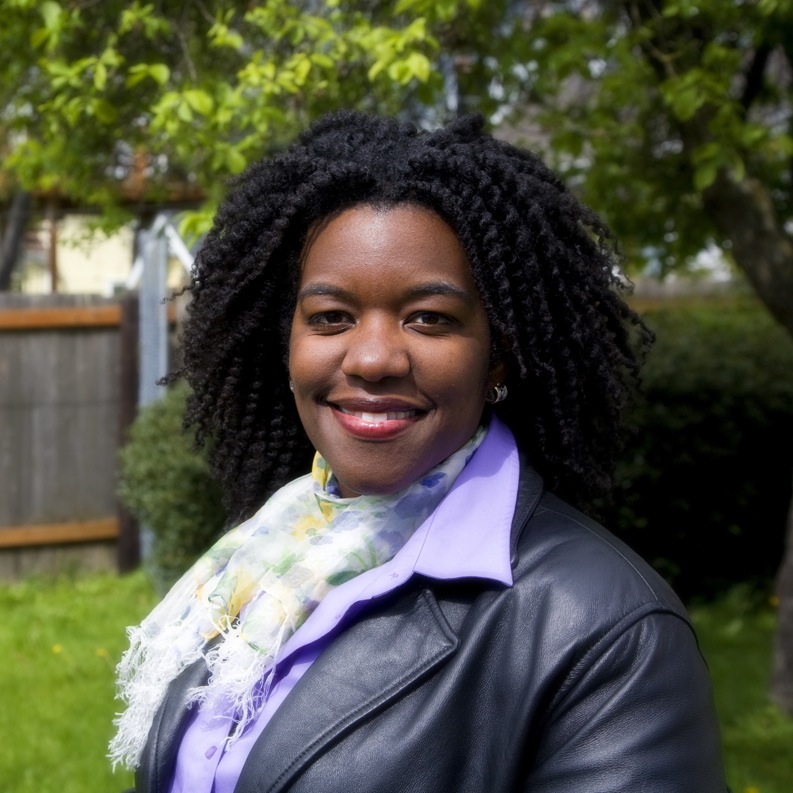
By the time I started my senior year at Mount Holyoke, I had gladly moonlighted amongst the various Five College Consortium course offerings. I had taken classes such as Biology of AIDS, Medical Anthropology, Sociology of Medicine, and Economics of Health Care. I had also interned at the New York City Caribbean Women’s Health Association and interviewed incarcerated women about their health at a jail in Ludlow, Massachusetts, for credit. In short, it was time to declare my major!
I was grateful that my advisor in the anthropology department understood that my interest could not be contained in one pre-structured mold. She guided me in designing my socio-medical sciences major with a minor in romance languages.
What seemed so foreign to my fellow pre-med classmates felt perfectly sound to me. I wanted to become a physician with the holistic philosophy of natural medicine and the rich span of tools it uses: nutrition, physical medicine, homeopathy, and botanical medicine, amongst many others.
A few years after my MHC graduation, my continued interest in social sciences, health, and medicine led me to attend medical school at Bastyr University’s School of Naturopathic Medicine (NM). Shortly after graduation from medical school, Bastyr awarded me a postdoctoral teaching fellowship
In 2009, I entered the world of research, when I received another postdoctoral fellowship from the National Institutes of Health’s National Center for Complementary and Alternative Medicine (NCCAM).
As a trained physician and a research scientist, the goal of my fellowship has been to investigate how conventional and complementary and alternative medicine practitioners (also known as CAM practitioners) interact with each other while caring for their patients. I was specifically interested in how this interaction (which some may call collaboration or integration) can affect the current health-care disparities witnessed in the United States and globally. I picked two projects.
In 1996, the state of Washington inaugurated the first national natural health medicine clinic designed to serve immigrant and low socioeconomic communities. These clinics are currently my “laboratory,” There are naturopathic physicians, medical doctors, osteopathic physicians, and nutritionists offering healthcare to Spanish, Russian, Arabic, and Amharic speaking communities in these community health centers. Sadly, there are marked disparities in the health care of these diverse communities, and I am interested in investigating how these medically, socially, and economically diversified community health centers the approached the disparities. That is project #1.
I also chose to explore perspectives about natural and traditional medicine and its place in the Haitian healthcare system. It is estimated that a large percentage of individuals in developing countries use indigenous medicine. In Haiti, even though 80–90 percent of the Haitian population utilizes traditional and natural medicine, traditional healers are not considered part of the status quo healthcare system. What if they were? That is project#2.
My interests in natural medicine have been brewing in my mind for a long time and were molded by my multicultural life experiences. My family is from Haiti, I was born and raised in the Democratic Republic of Congo (formerly Zaire), and I am now calling the USA my home. In each of these countries, there exists a disparity in access to healthcare and a paradox between what is considered conventional, evidence-based, researched, and proven versus the alternative, traditional, cultural, and sometimes unproven.
My time at Mount Holyoke College polished my critical thinking skills and enabled me to ask questions differently and hopefully contribute to filling gaps in the existing scholarship.
I look forward to practicing medicine again. However, before I pick up another stethoscope for a medical visit with a patient, I want to be better equipped to serve the patients. I want to understand what effect practitioners’ behavior in an integrated health system has on the patient’s health.
Therefore, I have chosen to approach this research through the lenses of the physicians’ and the patients’ words. I personally travel to physicians in the community health centers in Washington state. I also traveled to public health officials, medical doctors, and traditional healers in Haiti to capture their stories.
My training as a naturopathic physician has also given me the opportunity to feed my personal interests by working on various side projects; supporting urban community garden projects in underserved Seattle neighborhoods creating medicinal gardens in a Haitian botanical garden. I love what I am doing!
The author would like to state that the opinions shared in this essay are solely hers and not those of the National Center for Complementary and Alternative Medicine. The research cited is supported by NIH/NCCAM Grant No. T32T00815.
Off the Shelf: Winter 2012
Nonfiction
University of Pennsylvania Press
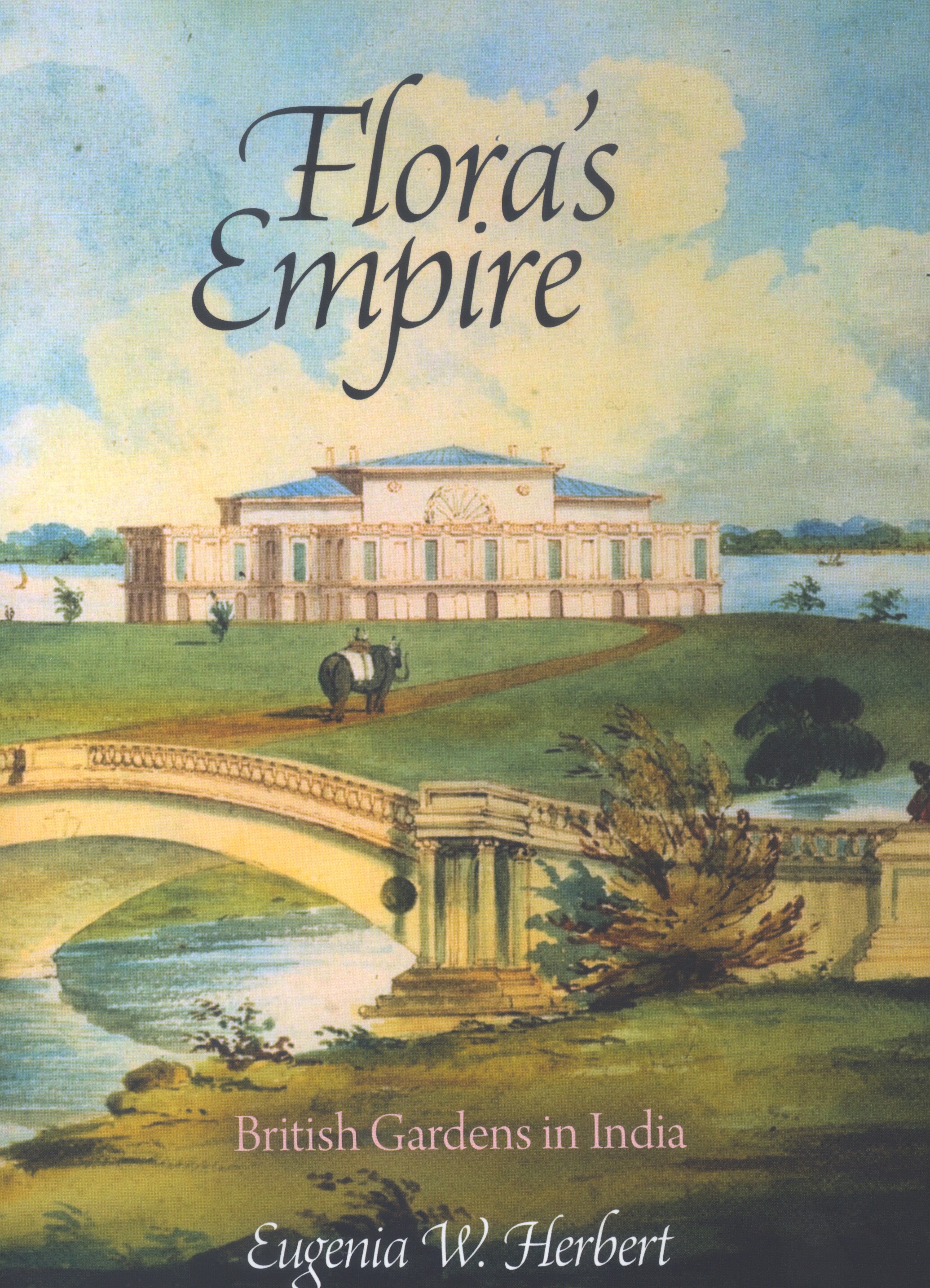
Flora’s Empire: British Gardens in India
By Eugenia Herbert
During the colonization of India, British expatriates feeling homesick for their country estates began constructing gardens that replicated the English model. Eugenia Herbert uses period illustrations to trace the practice as a part of Britain’s relations with the subcontinent it considered an untamed land, ripe for “civilized” landscaping.
Eugenia W. Herbert is professor emeritus of history at the college. She is the author of several books including Twilight on the Zambezi: Late Colonialism in Central Africa.
Vanderbilt University Press
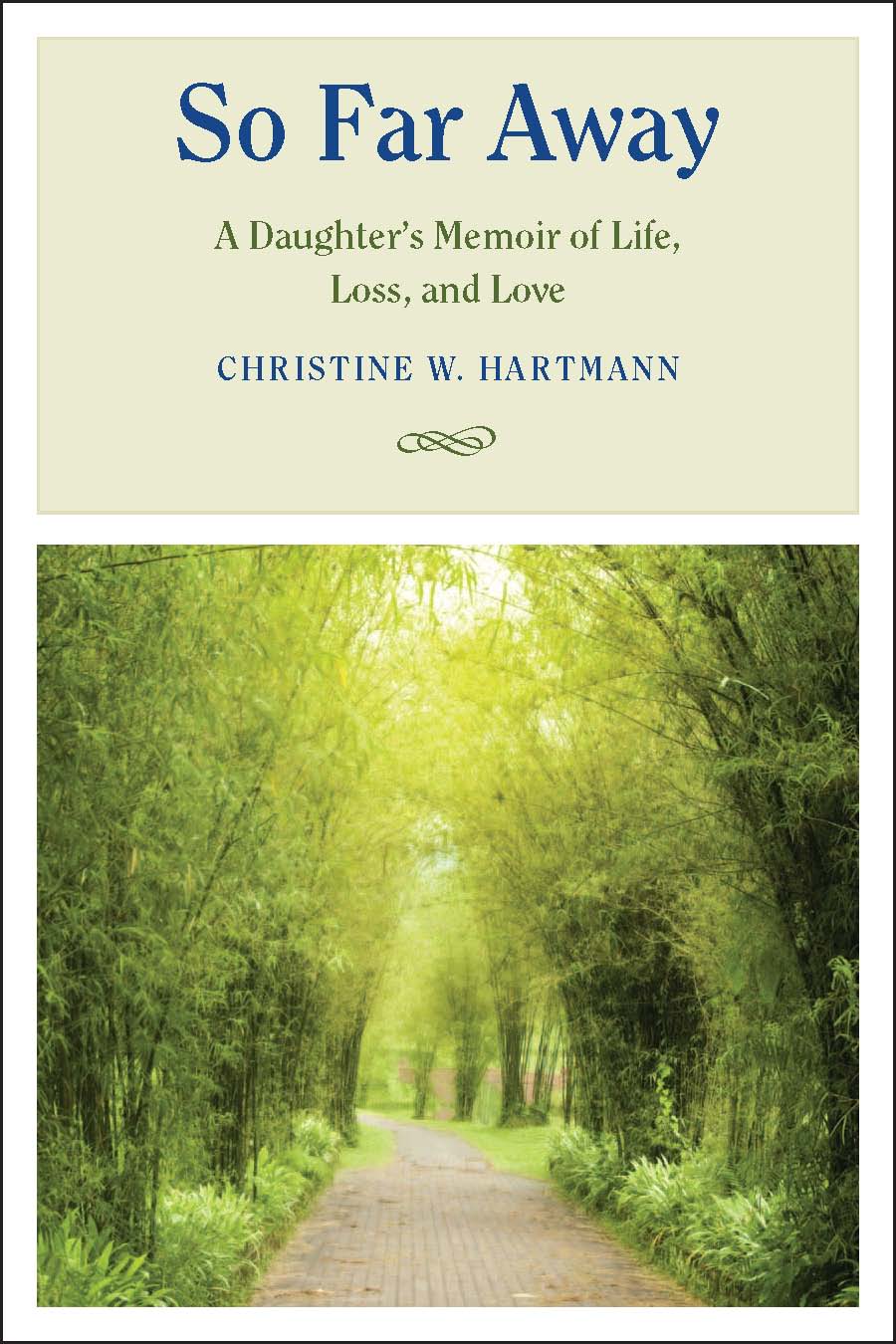
So Far Away: A Daughter’s Memoir of Life, Loss, and Love
By Christine W. Hartmann
Christine Hartmann’s mother valued control so much in her own life that she chose the moment it would end. For twenty years she planned for her death, and for twenty years, Christine fought to change her mind. Christine’s father suffered a series of debilitating illnesses that her mother wanted to avoid at all costs. This memoir illustrates the complexities of a family’s separate yet interwoven journeys.
Christine W. Hartmann ’87 is a research health scientist at the Veterans Health Administration and holds a faculty appointment at Boston University’s School of Public Health.
White Cloud Press
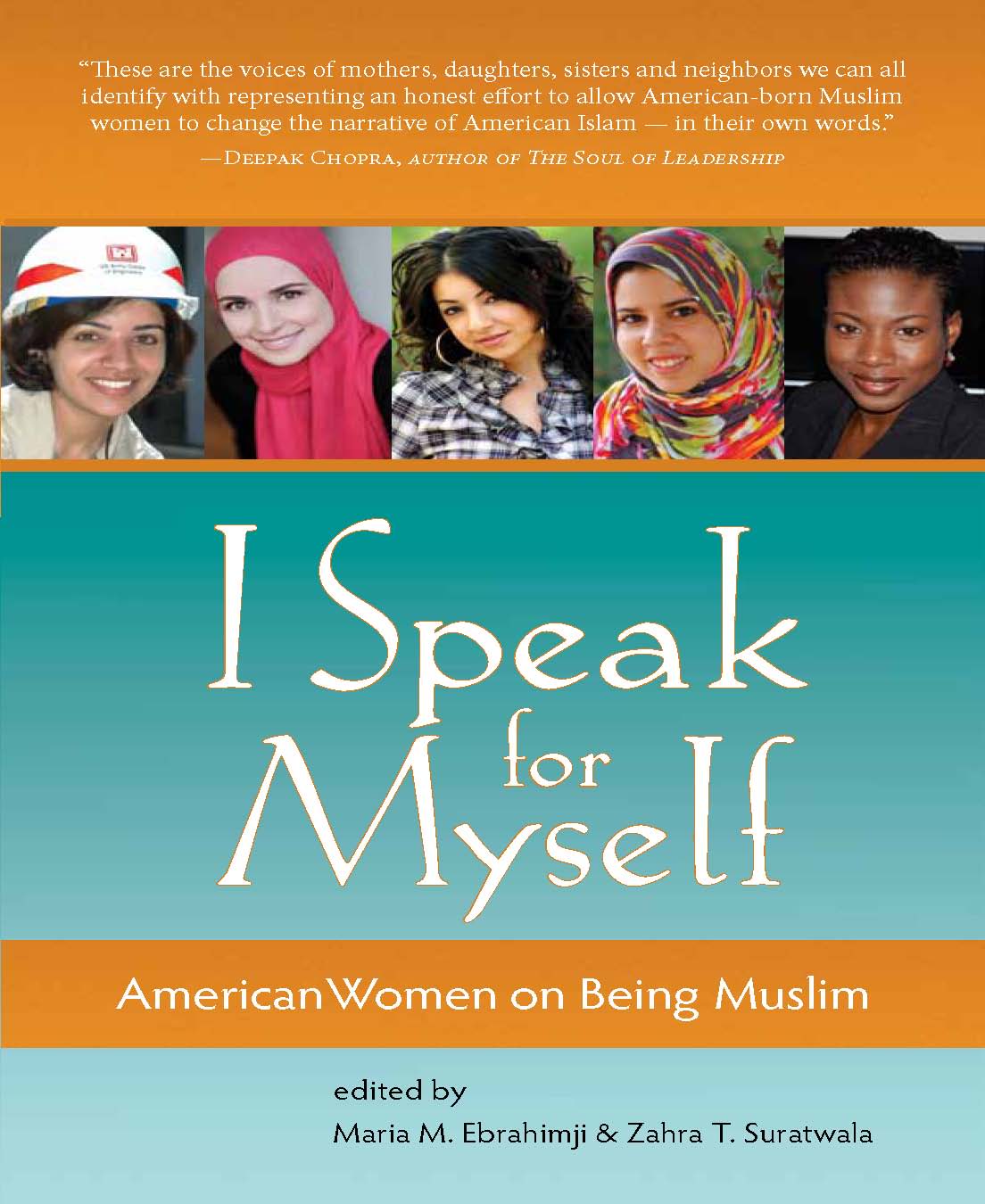
I Speak for Myself: American Women on Being Muslim
Edited by Maria M. Ebrahimji and Zahra T. Suratwala
This book features the stories of forty women who were born in America and are part of the Muslim faith. The editors and contributors hope to break down stereotypes of what it means to be a Muslim American, as well as to increase the dialogue between Muslim Americans and their fellow citizens.
Sarah Kajani ’09 is a contributor to this book and a graduate student at New York University.
Palgrave Macmillan
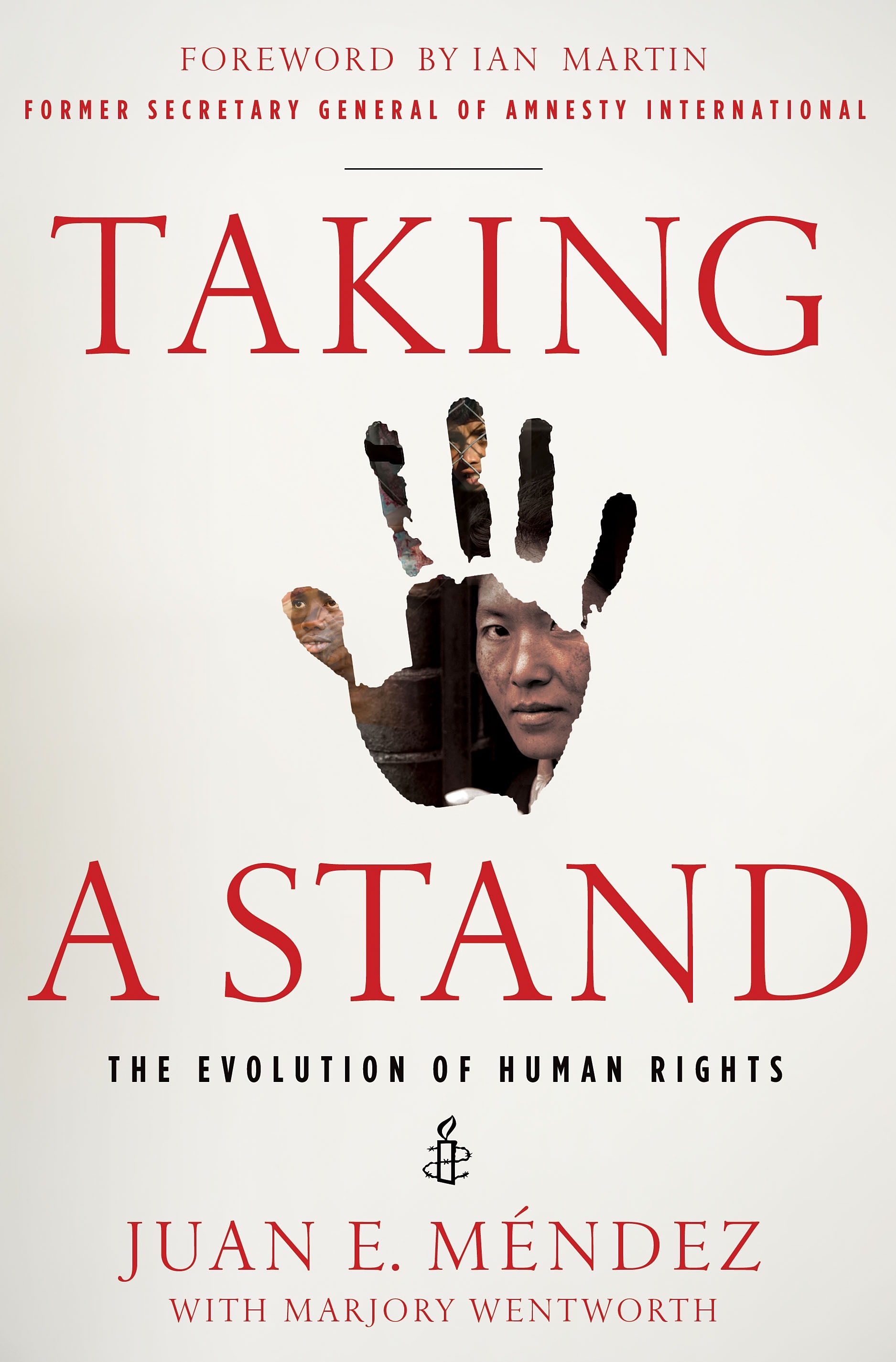
Taking a Stand: The Evolution of Human Rights
By Juan E. Méndez with Marjory Wentworth
Firsthand experience as a prisoner of war led Juan Méndez to a long legal career as a defender of human rights. Intertwined with an analysis of the current state of human rights is the personal story of a man who prevailed over his time as a political prisoner to take up a life of activism.
Marjory Heath Wentworth ’80 is the author of four books. She has extensive experience in human rights and has worked for the UN High Commission for Refugees.
Seapoint Books
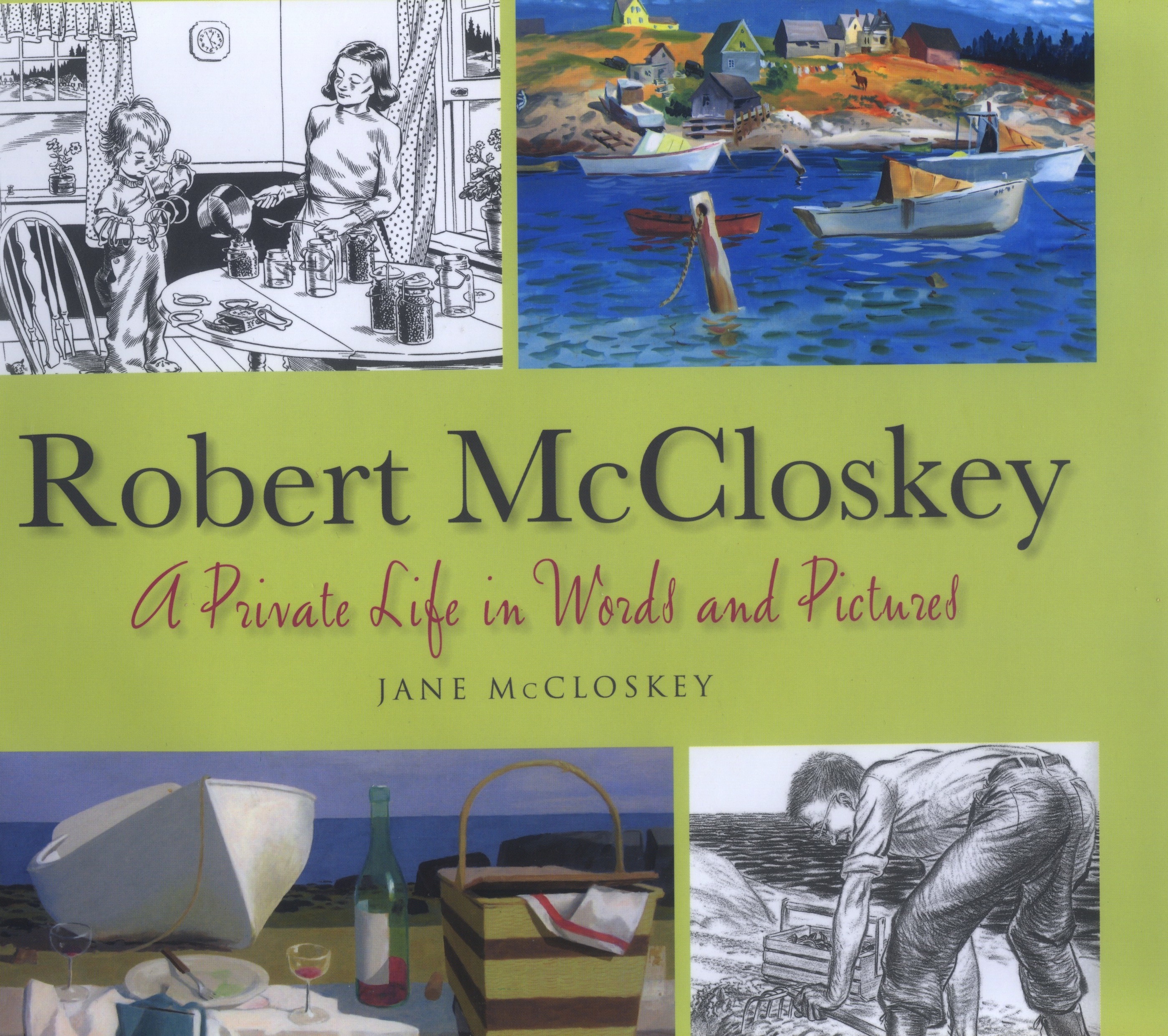
Robert McCloskey: A Private Life in Words and Pictures
By Jane McCloskey
Robert McCloskey’s illustrated children’s books brought coastal Maine into homes all across the country. In this book, the author’s youngest daughter invites readers to examine more than fifty rarely seen illustrations from the family archive and to learn more about the man who created such beloved literature for children as Make Way for Ducklings and Time of Wonder.
As a child, Jane McCloskey ’70 appeared as a character in many of her father’s books. She lives in a house she built on Deer Isle, Maine, near where she grew up.
(Ginkgo Press)
Eat Smart in Norway: How to Decipher the Menu, Know the Market Foods, & Embark on a Tasting Adventure
By Joan Peterson
The latest installment in the Eat Smart series provides a guide for food lovers travelling in Norway. The book looks at culinary history, culture, regional dishes, and recipes and offers a shopping list for outdoor markets. Peterson encourages her readers to consider what food can teach us about a country’s culture and national identity.
Joan Lamprey Peterson ’59 has written nine Eat Smart guides, leads culinary tours in Europe, Africa, and Asia, and is a founding member of CHEW, the Culinary History Enthusiasts of Wisconsin.
Fiction
University of
Wisconsin Press
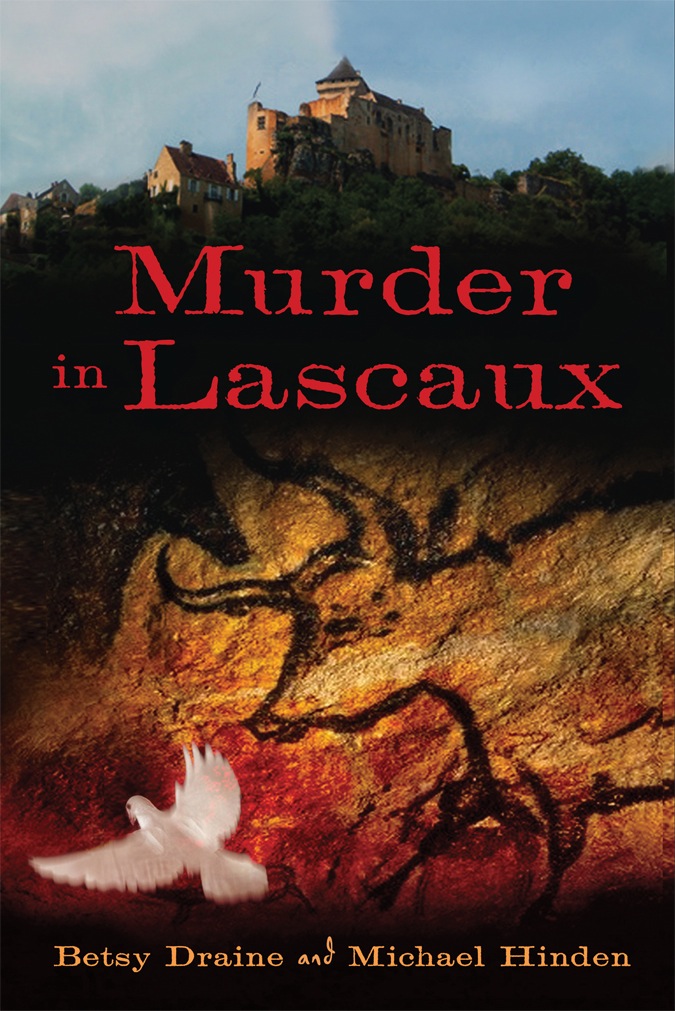
Murder in Lascaux
By Betsy Draine and Michael Hinden
The caves of Lascaux, famous for their Paleolithic cave paintings, are closed to the public; but five scholars a day are allowed in. Art history professor Nora Barnes has snagged a coveted spot, along with her husband Toby. When one of the other visiting scholars is murdered, Nora and Toby are pegged as suspects. The pair must work to solve the crime and clear their names.
Betsy Draine ’67 is professor emeritus of English at the University of Wisconsin–Madison. She cowrote the memoir A Castle in the Backyard: The Dream of a House in France.
Poetry
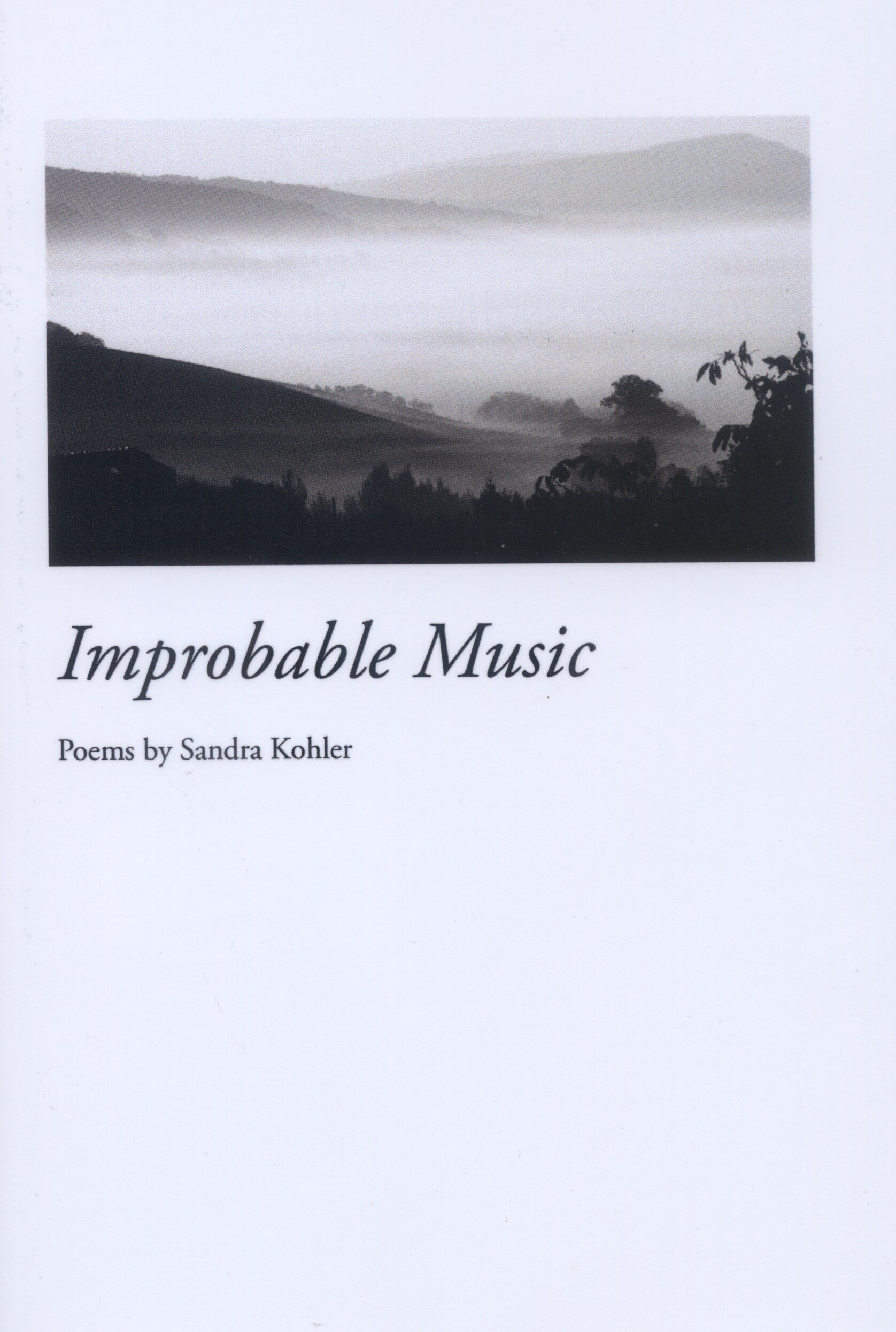
WordTech Communications
Improbable Music
By Sandra Kohler
With her third collection of poems, Sandra Kohler explores the human experience, delving into everything from domestic scenes to the consequences of war. Bringing wisdom from the natural world, Kohler offers a collection rich with complexities.
Sandra Iger Kohler ’61 is also the author of The Ceremonies of Longing. Her poems have appeared in the New Republic, the Colorado Review, and the Prairie Schooner.
Children’s Books
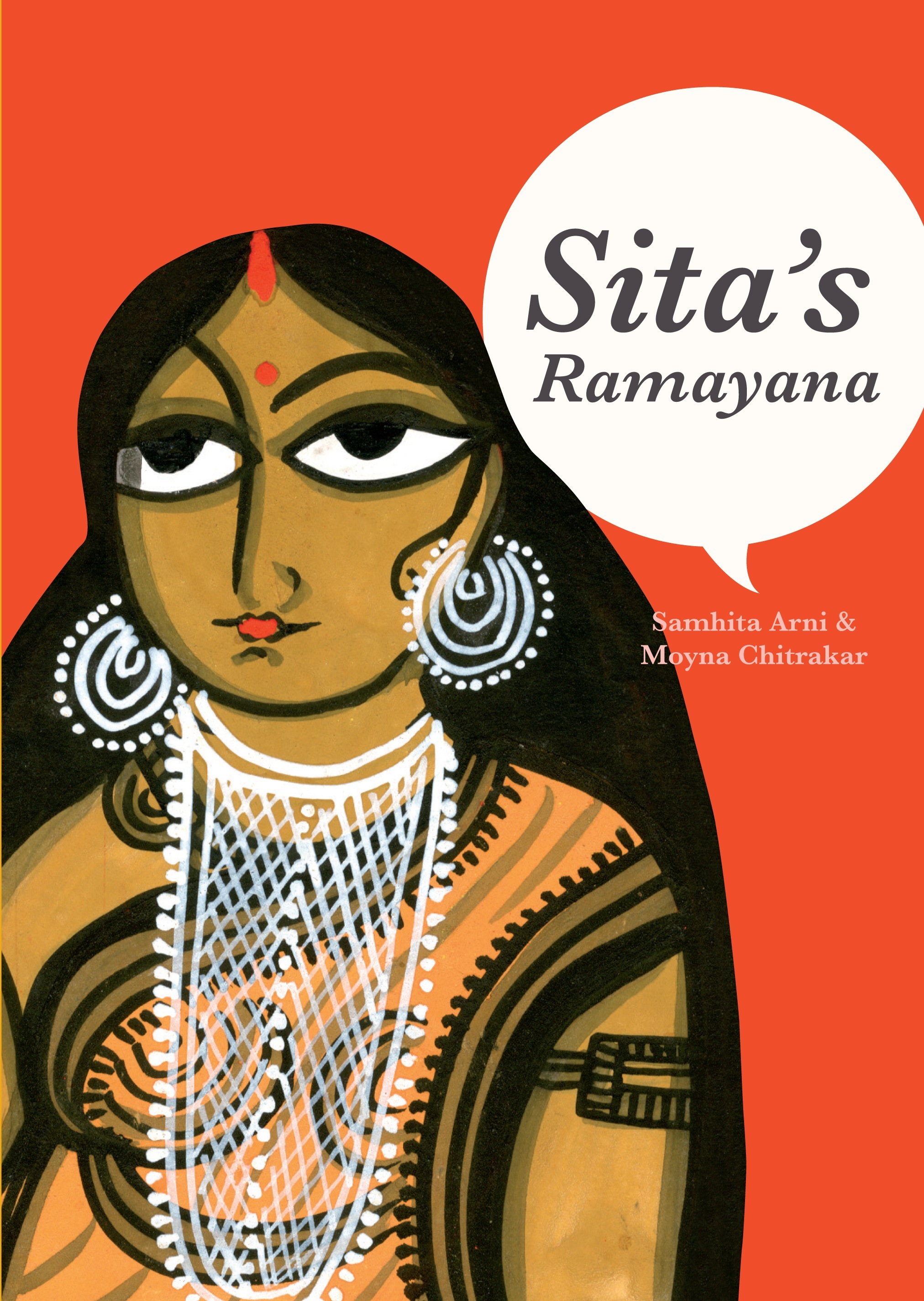
Groundwood Books
Sita’s Ramayana
By Samhita Arni and Moyna Chitrakar
The Indian epic Ramayana is a classic story reimagined in this graphic novel. Two kingdoms war over a beautiful queen, who, though imprisoned by her enemies, is given a voice through Samhita Arni’s retelling of the ancient tale. The book’s original illustrations include the epic’s snake-eating bird deity Garuda, and the monkey hero Hanuman.
Samhita Arni ’06 is a freelance writer based in Bangalore, India. Her latest project is a thriller based on the Ramayana.
Caballito Children’s Books
Claude, the Clumsy Clydesdale
By Marion E. Altieri
Claude is a young horse who exemplifies the Clydesdale breed, but— compared with the other animals on the farm—he feels ungraceful. He retreats to his stall to hide in comfort, but when Mother Goose and her goslings are in trouble, he must find a way to overcome his doubts and save the day.
Marion E. Altieri FP’88 is a horse racing writer and handicapper for Saratoga Today newspaper. She is working on a book about Iraqi Arabian horses.
Self-published Books
Abbott Press
One Mom’s Journey to Motherhood: Infertility, Childbirth Complications, and Postpartum Depression, Oh My!
By Ivy Shih Leung
The author shares her complicated experiences while on the road to motherhood. The book, which is a cross between a memoir and a self-help guide, details Leung’s triumph over postpartum depression. That led to her advocacy for other women suffering from perinatal mood disorders.
Ivy Shih Leung ’86 is channeling her own energy and experience into Ivy’s PPD Blog and Postpartum Support International.
This article appeared in the winter 2012 issue of the Alumnae Quarterly.