


Letter in Mary Lyon’s handwriting discovered!
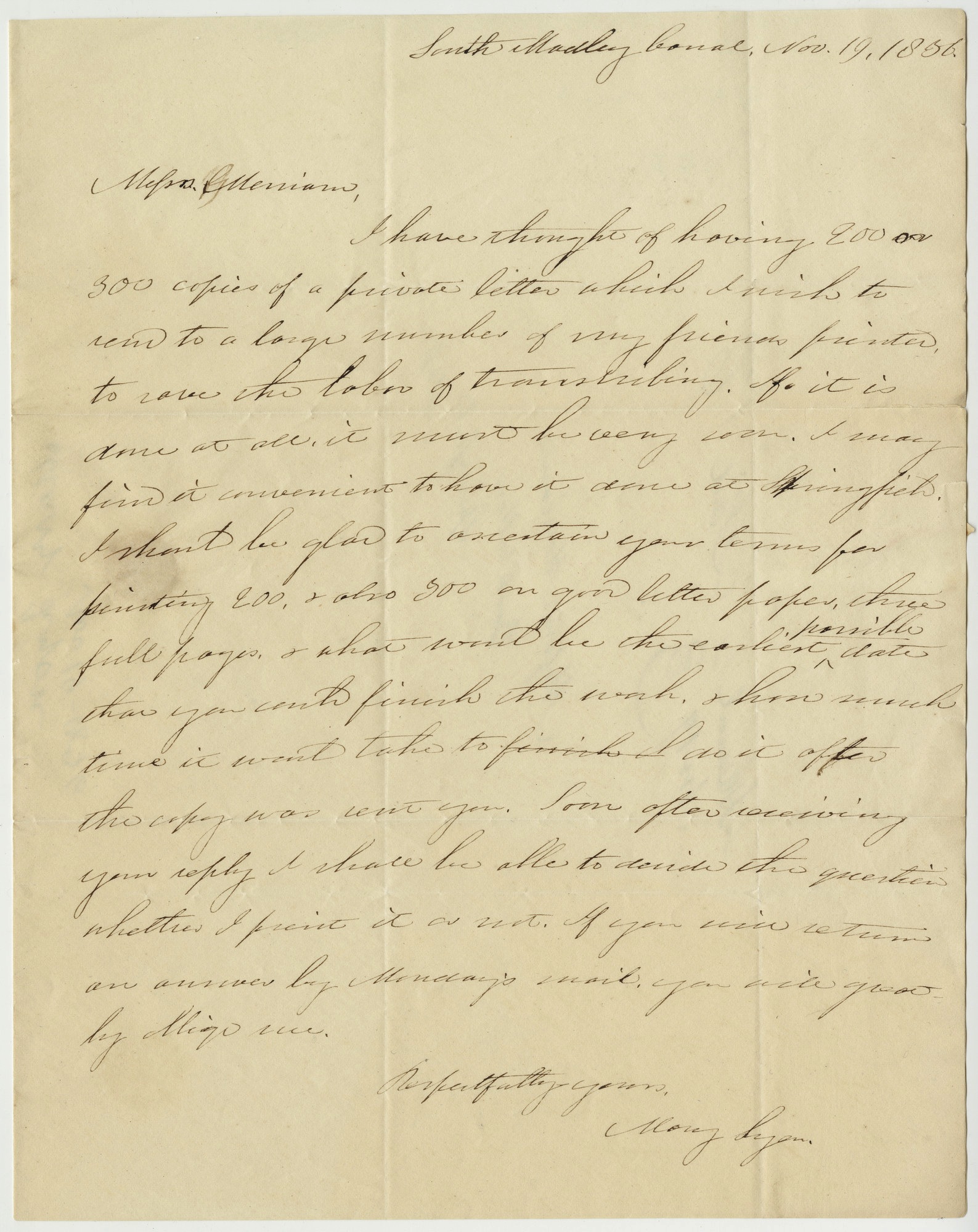
Letter written in 1836 by Mary Lyon to Charles and George Merriam
A newly discovered business letter written by Mary Lyon in 1836 was just purchased by the College. Leslie Fields, director of Archives and Special Collections, says it’s the first time in a decade a Mary Lyon letter was known to be for sale.
Although written in an elegant hand full of curlicues, the letter’s contents are mundane. In it, Lyon asks the cost of printing 200 or 300 copies of a private letter and inquires how long it would take to do the job. The letter’s backstory, though, shows its true significance.
Fields reports that Mary Lyon did have the private letter printed, for the equivalent of around $200 in 2012 dollars. She sent the letter “especially to women in order to raise additional funds for and, most importantly, to solicit furnishings for, the Mount Holyoke Female Seminary. “In all our progress,” Lyon writes in that three-page letter asking for assistance, “ladies have been prompt to do all that we have asked.” She explains the Seminary’s purpose (“the raising up of female teachers”) and requests recipients to gather donations so that each town or parish contributes $50 or $60 each, the cost of furnishing one student room. Lyon also shares her dream of a “New England to be filled with such teachers for fifty years to come,” adding, “Had I a thousand lives, I could sacrifice them all in suffering and hardship for [the Seminary’s] sake.”
Even the recipients of Lyon’s business letter provide an intriguing historical note. The addressees were Charles and George Merriam of Springfield, Massachusetts, the brothers who would later publish the famed Merriam-Webster dictionary.
Fields called Lyon’s letter “a wonderful addition to the College’s Mary Lyon Collection and a thrilling find in this 175th anniversary year!”
Read the fundraising letter from Mary Lyon here (zoom in to see it clearly).
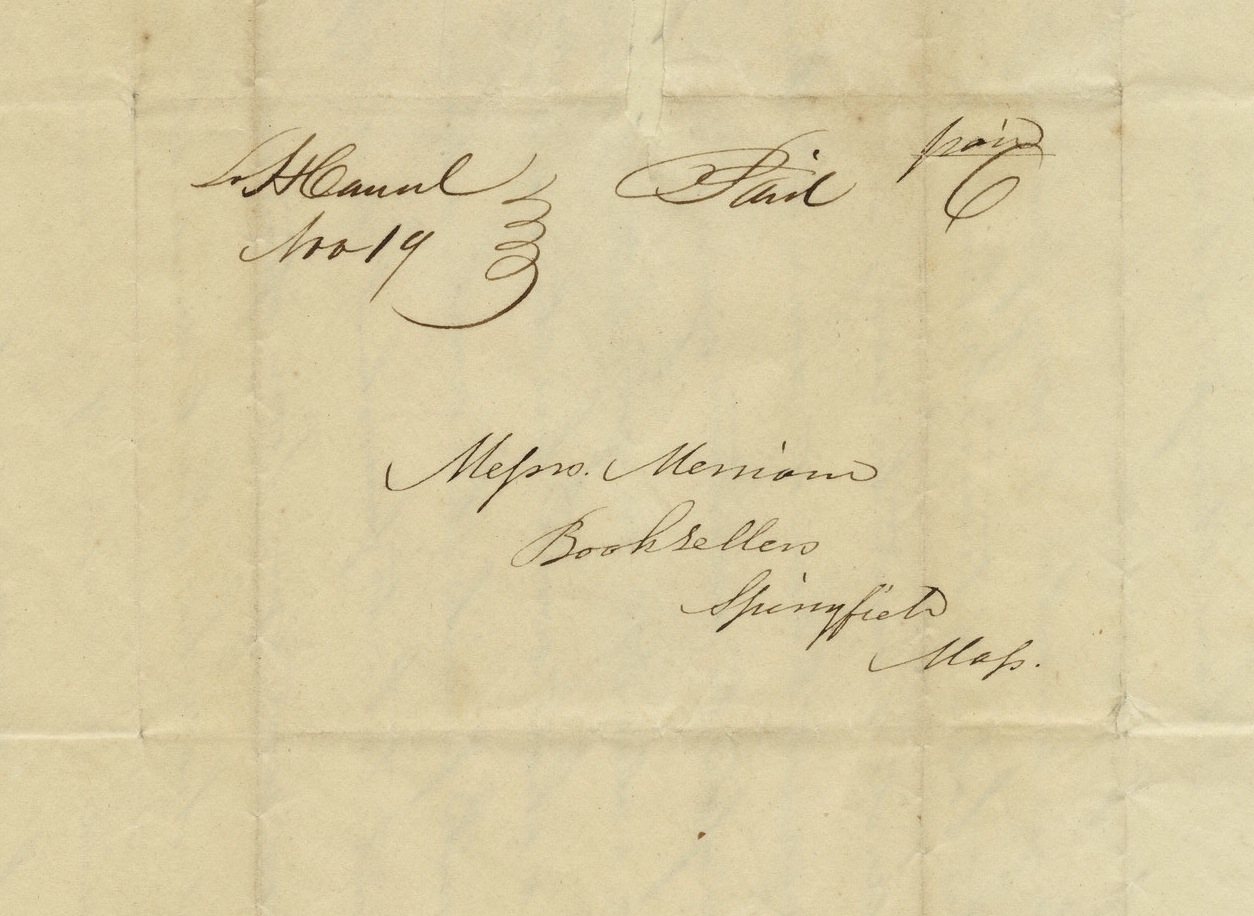
Address side of letter written in 1836 by Mary Lyon to Charles and George Merriam
Returning to “Mo-Home” with my daughter
Carla Richardson Lambert ’88 reflects on bringing daughter
Brittany ’16 to MHC this fall.
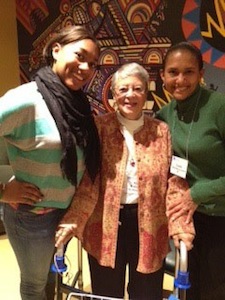
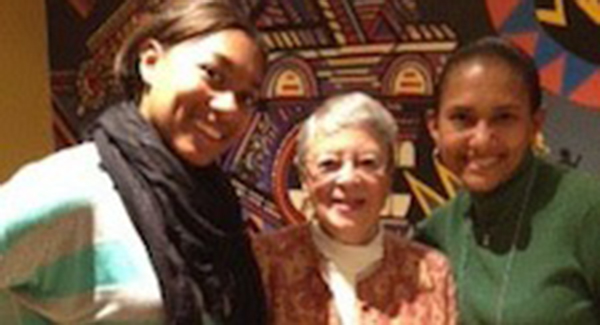
Brittany Lambert ’16 (left) and mom Carla Lambert ’88 (right) with Mary Williamson McHenry ’54 at the Black Alumnae Conference
“We are Mo-Home.” That phrase from the cover of the summer Alumnae Quarterly sums up how I felt stepping back onto campus in August, twenty-four years after I left. I have been back many times, but this one was different—I was leaving my precious only daughter. To say that the experience was surreal is an understatement.
Many things have changed since we were students. Despite the changes, the real essence of MHC remains the same—strong, determined women, poised to change the world and better mankind. The pervasive feeling across campus is still of young women finding their voices, perched on the very brink of great accomplishments.
Our campus remains a place where women can feel supported and encouraged while they develop their thoughts and beliefs. Knowing that things are still the same at the core made it so much easier to let my daughter go and drive away. The future is wide open and limitless for her and her classmates.
My favorite memory of MHC is sitting in the Torrey dining hall with ’88 classmates Cheryl Johnson Vault, Liz Clapp O’Connor, and Fran Sterling discussing some weighty global topic. My mind comes back to that image repeatedly, as a symbol of a period in my life when I was constantly exposed to intelligent women of various cultures, ideologies, and beliefs, who engaged in friendly debate about any topic under the sun.
These are the experiences I wish for my daughter and am so glad she has positioned herself in a place where they are likely to happen—a place that always feels like home, no matter how far away we move.
We really can come home again…and sometimes, if we’re lucky, we can bring our daughters too.”
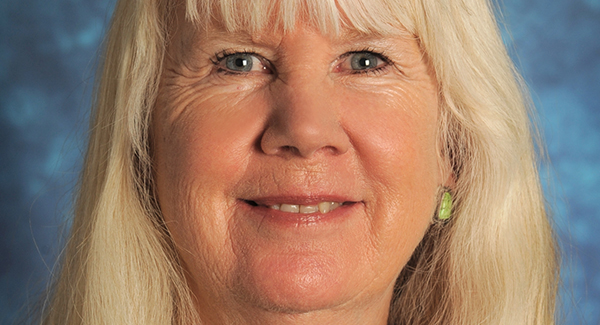
Beth O’Leary ’74: Space Archaeologist Lauds Lunar Legacy
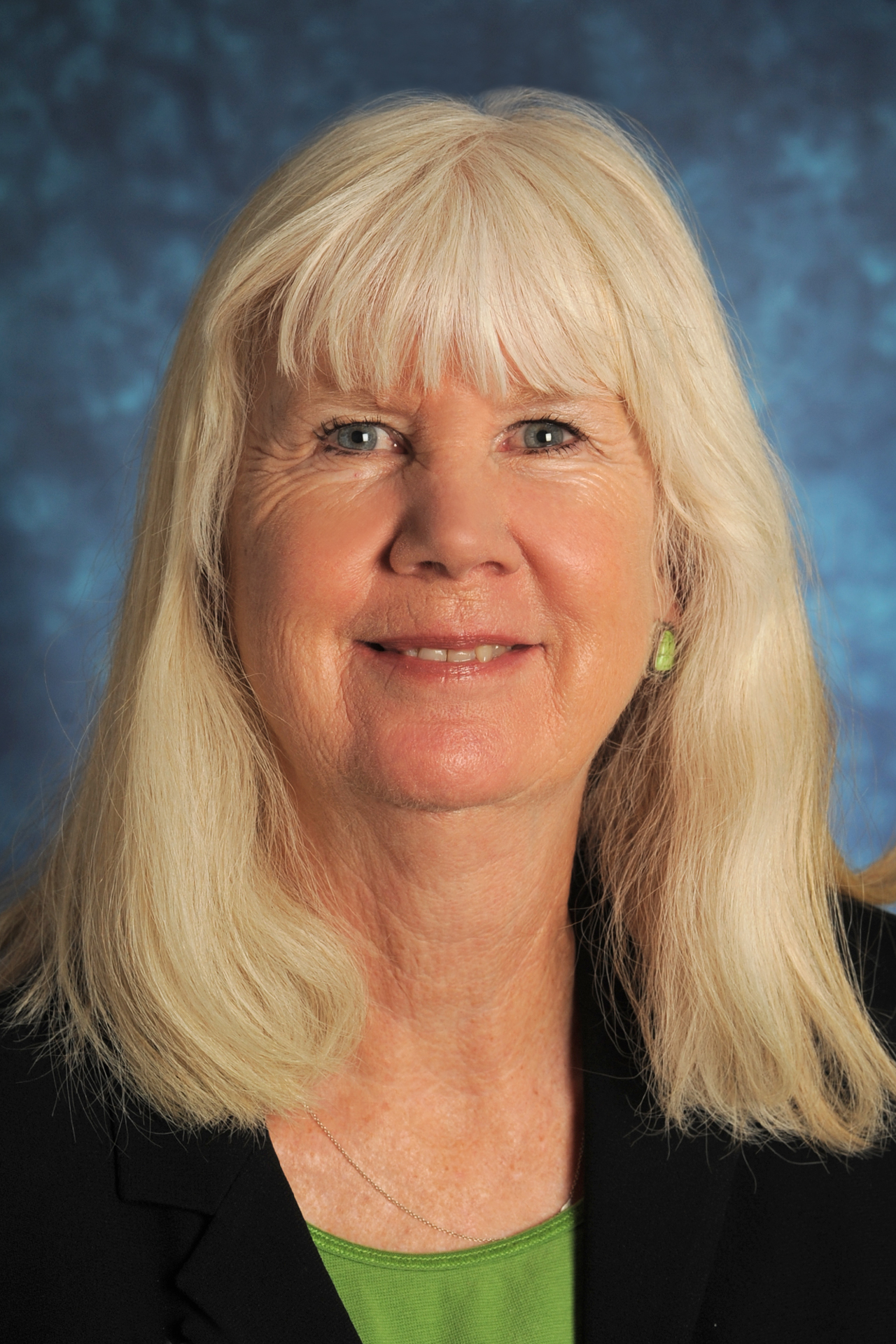
Beth O’Leary photo by Darren Phillips
On July 20, 1969, when Beth O’Leary ’74 was an AFS exchange student in Norway, her host family watched a news report of Apollo 11’s lunar touchdown and humans’ first steps on the moon. The broadcast was in Norwegian, except for: “The Eagle has landed.”
“It was just wonderful to hear that,” O’Leary says. “I felt a particular pride. ”She didn’t know it then, but that historic day would shape her life’s work. O’Leary is an expert in the emerging field of space archaeology. An associate professor of anthropology at New Mexico State University and coeditor of the 1,000-plus-page Handbook of Space Engineering, Archaeology, and Heritage, she has dedicated herself to preserving the artifacts—more than 100 of them, from a flag to a footprint—left by Apollo 11 astronauts Neil Armstrong and Buzz Aldrin at their landing site, known as Tranquility Base.
O’Leary got interested in space archaeology in 1999, when a graduate student in her cultural-resource-management seminar asked her if historic-preservation laws applied to objects in outer space. “It was such a good question,” she says. “I had no idea how to answer it. And so I became intrigued.”
With a grant from NASA she helped establish the Lunar Legacy Project, which aims to preserve the archaeological information and historic record of Apollo 11. “We need to prepare for the future because in fifty years many travelers may go to the moon,” the website says. “If the site is not protected, what will be left?”
O’Leary and her team also launched an effort to designate Tranquility Base a national historic landmark and, from there, a UNESCO world heritage site. It’s a lofty goal; never before has a site not located on Earth achieved such status. Their first successes came in 2010, when both California and New Mexico listed the objects at the site on their state historic registers.
With the half-century anniversary of Apollo 11 approaching, O’Leary says she hopes the current level of public interest in the moon mission will build to a tipping point where world heritage status for Tranquility Base seems more fate than pipe dream. “As we reach the fifty-year mark, people are saying, ‘Yes, these sites are significant, and yes, we need a way to preserve them for future generations.’”
—By Christina Barber-Just
Martha Henissart ’50: Anonymous No More
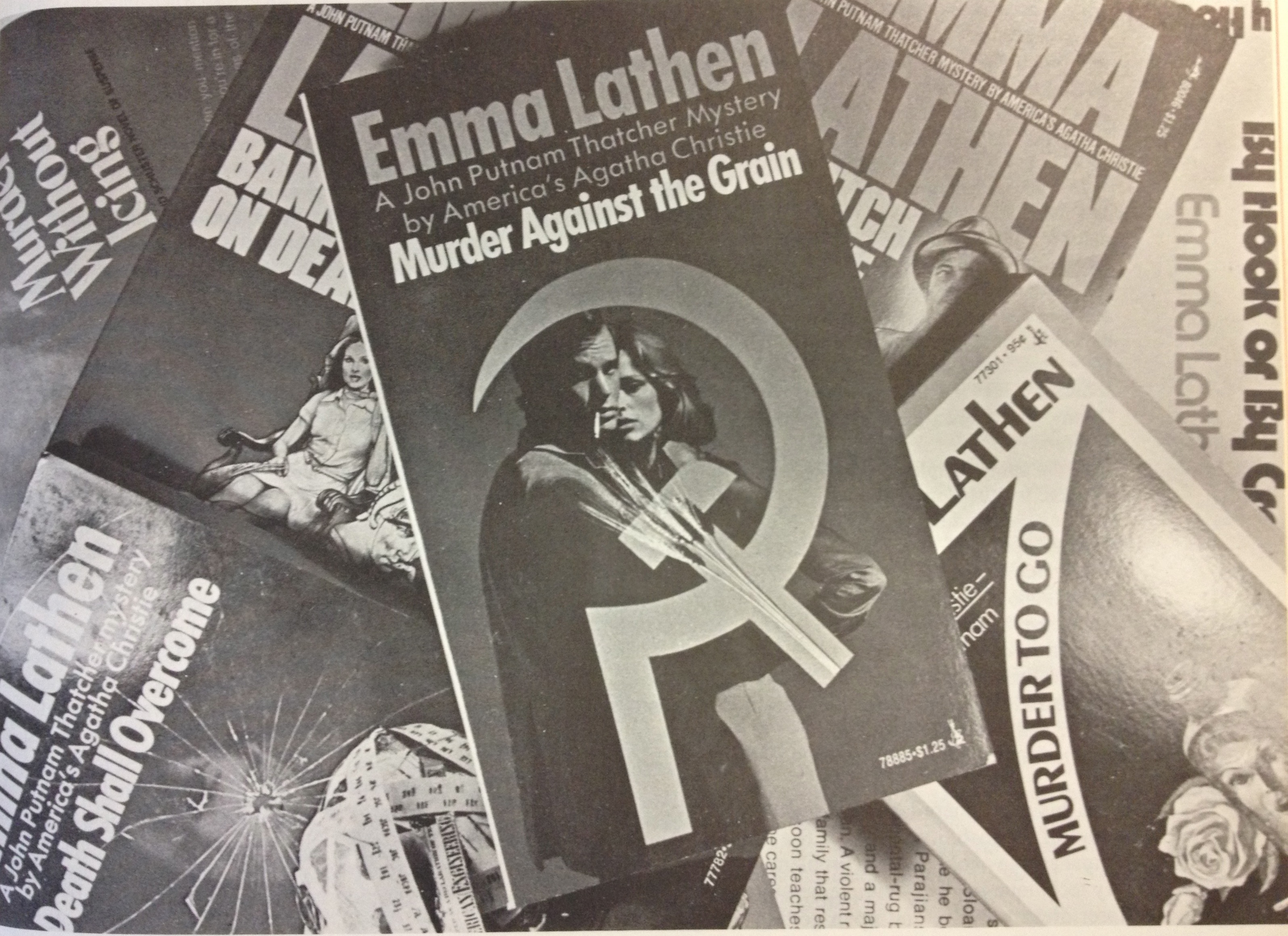
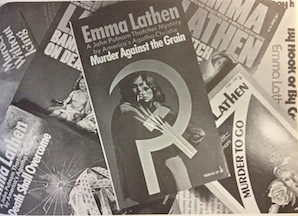
Some of the books published by Mary Jane Latsis and Martha Henissart ’50, writing as “Emma Lathen.”
Back in the day, murder-mystery writers didn’t get much bigger than Emma Lathen. Between 1961 and 1997 the pseudonymous Lathen published twenty-four novels featuring Wall Street banker-detective John Putnam Thatcher. Lathen’s books won awards named after such great mystery writers as Edgar Allan Poe and Agatha Christie; one, Murder Against the Grain, received the 1967 Gold Dagger for best crime novel from the Crime Writers’ Association. At the height of Lathen’s popularity, in the 1960s and ’70s, the English novelist C. P. Snow, writing in the Financial Times of London, called her “probably the best living writer of American detective novels.”
Lathen’s true identity was itself a mystery until 1977, when Forbes magazine revealed that the pen name belonged to not one but two women: the writing team of Wellesley alumna Mary Jane Latsis and Mount Holyoke’s own Martha Henissart ’50. Henissart, a lawyer, and Latsis, an economist, met in graduate school at Harvard, where they discovered a shared obsession with detective fiction. Eventually, they formed a writing partnership. In addition to the financial mysteries, their collaboration yielded a second series of nine political whodunits written under “R. B. Dominic.” When Latsis died in 1997, the Lathen and Dominic names were retired forever.
In a phone conversation from her Needham, Massachusetts, home, Henissart said mystery writing came to replace the practice of law as her full-time job. “It certainly suited my purposes,” she said. “It led to a very comfortable life, and an interesting one.” These days, she occupies herself with travel, gardening, duplicate bridge, and the duties of dog ownership. She still enjoys reading mysteries; but asked whether she herself has written anything since Latsis’s death fifteen years ago, Henissart said, “Not a word.” She paused, then added, laughing, “Occasionally I see something interesting and think it’d make a book, but then I come to my senses.”—By Christina Barber-Just
A Closer Look: The Iconic Iconographer
New Book Showcases Best-Known Work of Susan Kare ’75
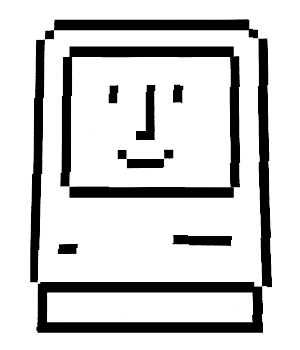
Iconic Mac icon by Susan Kare
Susan Kare ’75 has created countless computer icons during her three-decade career as a graphic designer for a who’s who of Silicon Valley tech corporations. Many of her icons, including Apple’s Happy Macintosh, the Windows 3.0 solitaire deck, and Facebook’s Kiss Mark, are instantly recognizable.
In 2004 HOW magazine asked Kare to comment on the influence her early work for the Macintosh’s original operating system has had on the personal-computer industry.
“It’s not something I think about,” she replied. “It’s not my place to assess.”
She appears to have changed her mind since then.
In 2010 she launched a website, kareprints.com, selling limited-edition prints of her selected icons on colorful backgrounds, and last year she published Susan Kare ICONS (Watermark Press), featuring her favorite images created between 1983 and 2011.
This iconographer, it seems, has achieved iconic status.
Susan Kare ICONS kicks off with an introductory essay by Wired magazine contributing editor Steve Silberman, who calls it a “charmingly modest and long overdue book.”
Silberman’s essay, “Signposts in New Space,” situates Kare’s career within the relatively recent history of home computing, from 1983, when she became “one of the [Macintosh] team’s most auspicious early hires,” to 2007, when she began creating virtual gifts for Facebook.
“For years,” Silberman writes, “thousands of Facebook users a day swapped Karedesigned birthday cakes, disco balls, roses, and engagement rings as virtual gifts, never knowing they were designed by the same
artist whose smiling image of the ‘Happy Mac’ greeted a generation at the threshold of a new world.”
Susan Kare ICONS is an art book, but not a Taschen-type behemoth that sits like so many bricks on your coffee table. This softcover book is diminutive—just seven inches by seven inches. Each copy is signed by Kare.
The eighty icons in the book are shown two ways: actual size—as they would appear on a screen—and magnified. The “zoomed-in view,” Kare says, “allows the reader to see how many icons are crafted pixel by pixel”—or, at least, how many were crafted pixel by pixel, before graphic-design software like Adobe Illustrator came along.
The book favors pictures over words, which is to be expected, but Kare’s commentary accompanies selected
images, adding a welcome, if too infrequent, measure of insight and humor.
For example, Kare writes that Bomb, one of her icons for the original Macintosh, “was designed to resemble a cartoon explosive and represent a system failure—the programmers explained that no one would ever be likely to see it. Unfortunately, that wasn’t the case. Once, a phone call was transferred to the Mac software group because a user had seen the icon on her screen and was extremely concerned that her computer might explode!”
Fast-forward to Kare’s Facebook days (2007–2010), when she created Penguin, among many other virtual
gifts. She writes, “This image represents two lessons learned creating five penguin Facebook gifts: 1) Cute often trumps edgy or minimal. 2) People really, really like penguins.”
—By Christina Barber-Just
This article appeared in the fall 2012 issue of the Alumnae Quarterly.